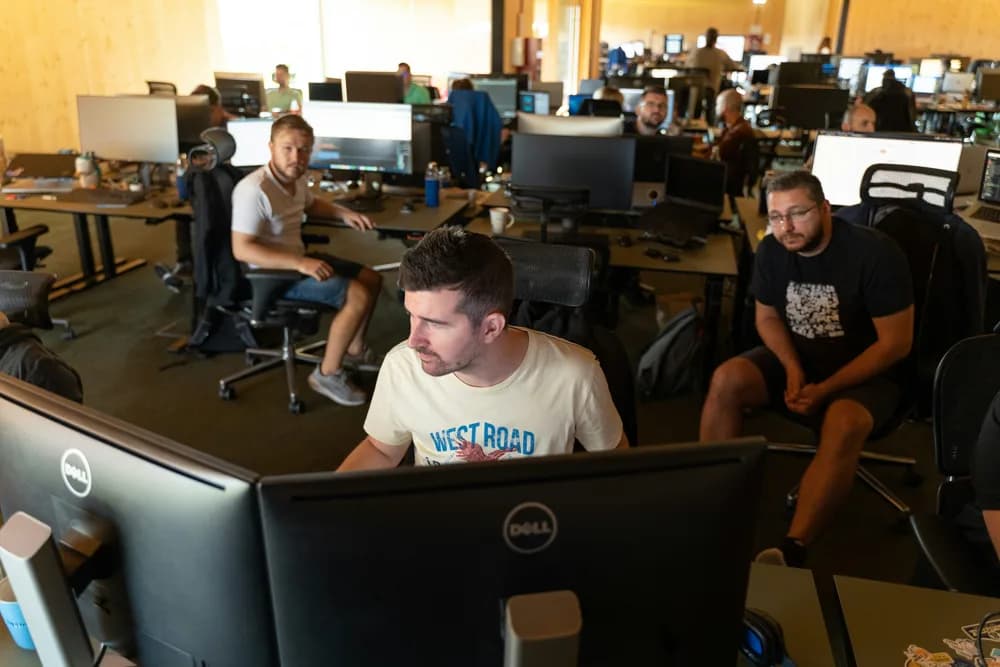
Software engineering in 2026 is at the forefront of technological innovation. Rapid advances in tools and methodologies are redefining how software is built, deployed, and maintained. As we approach 2026, several key trends are emerging that every software engineer and tech-driven business should watch. In this article, we’ll explore five major trends shaping software engineering’s future and how developers can prepare for these changes.
1. AI-Augmented Development Becomes Mainstream
Artificial Intelligence is transforming software development from an automated helper into an active collaborator. In 2026, AI-driven development is becoming the new standard, with intelligent tools assisting in coding, testing, and design. Developers increasingly rely on AI copilots (like GitHub Copilot or ChatGPT code assistants) to generate code snippets, catch bugs, and optimize architectures. For example, AI systems can analyze requirements or coding patterns and suggest implementations, speeding up development cycles. Rather than replacing engineers, these AI tools empower them, offloading repetitive tasks and allowing human developers to focus on creative problem-solving and complex design work. The integration of machine learning into dev workflows also means software engineers need familiarity with AI and data science concepts. Refonte Learning’s programs reflect this shift; even the Software Engineering curriculum emphasizes AI and machine learning integration in modern development. Embracing AI augmentation is crucial for engineers to remain efficient and competitive in 2026.
2. Cloud-Native Architecture & Microservices Everywhere
Cloud computing has become ubiquitous, virtually all organizations run workloads in the cloud by now. In fact, by 2025 about 94% of enterprises use cloud services, a figure only climbing higher. This trend continues into 2026 with companies optimizing for cloud-native solutions. Microservices architecture and serverless computing are standard practice for building scalable applications. Engineers design systems as collections of independent services connected via APIs, enabling agility and easier maintenance. Alongside this, containerization (Docker, Kubernetes) and Infrastructure as Code (Terraform, CloudFormation) are essential skills for managing these complex environments. DevOps practices go hand-in-hand, continuous integration and continuous deployment (CI/CD) pipelines keep software releases frequent and reliable. As cloud and DevOps dominate, demand soars for roles like Cloud Engineers and DevOps Engineers to ensure software is deployed efficiently and securely. Internal linking: Refonte Learning’s specialized programs, such as the Cloud Engineering Program and DevOps Engineer Course, are tailored to build these in-demand cloud and automation skills. For software engineers in 2026, mastering cloud platforms (AWS, Azure, GCP) and understanding microservices design is no longer optional, it's expected.
3. DevSecOps and Secure Coding from Day One
With cyber threats escalating each year, security in software development has moved from afterthought to core requirement. In 2026, the ethos of “DevSecOps” integrating security practices into every step of development, is widespread. Teams are adopting “security by design” approaches, embedding security checks and threat modeling from the initial architecture through to deployment. This means software engineers must be knowledgeable about application security best practices: from writing secure code (avoiding common vulnerabilities) to using tools like static analyzers and AI-powered vulnerability scanners that catch issues early. Zero-trust architectures and secure coding standards are becoming default in the software development lifecycle. Additionally, data privacy and compliance (GDPR, etc.) influence design decisions. The importance of security skills is underscored by industry demand the global cybersecurity workforce had a 4.8 million talent gap in 2025, a gap likely still critical in 2026. Recognizing this, training programs like Refonte Learning’s Cybersecurity & DevSecOps Course teach developers how to “shift left” on security, integrating defense mechanisms into CI/CD pipelines. Software engineers who cultivate security expertise (or at least collaborate closely with security professionals) will be highly valued in 2026 for their ability to build resilient, safe software from the ground up.
4. Low-Code and No-Code Tools Empower Faster Delivery
The rise of low-code/no-code platforms is a trend that continues to expand in 2026. These platforms allow for quick development of applications through visual interfaces and pre-built components, enabling faster prototyping and development even by non-engineers. What started as tools for simple apps have evolved into robust platforms that enterprises use for internal tools and rapid solutions. In 2026, low-code solutions are often the first choice for organizations looking to deploy software quickly, especially for automation of business processes or creating MVPs. However, rather than making professional developers obsolete, low-code tools augment them. By handling boilerplate and repetitive scaffolding, these platforms free software engineers to focus on complex logic, integration, and ensuring scalability and security of systems. Essentially, engineers in 2026 might act as “software orchestrators,” combining low-code components with traditional code for custom needs. It’s important for developers to familiarize themselves with popular low-code frameworks and understand how to extend or integrate them with code. Refonte Learning’s Software Engineering program touches on software design principles that remain crucial even in a low-code era professionals still need strong fundamentals to ensure these quickly-built applications are robust and maintainable. Embracing low-code as a complementary tool can drastically accelerate delivery times without sacrificing quality.
5. Human Skills and Continuous Learning as Key Differentiators
Amidst all the technical innovation, one trend is clear: the human element of software engineering is more important than ever. As AI takes over routine tasks, uniquely human skills, creativity, problem-solving, communication, and collaboration, become a software engineer’s strongest assets. In 2026, software development is often a team sport with multidisciplinary collaboration (developers working with data scientists, UX designers, product managers, etc.). Engineers who can effectively work in agile teams and articulate ideas will thrive. Moreover, the pace of change in technology means that continuous learning is practically part of the job description for software engineers. New frameworks, languages, and best practices emerge constantly. Those who adopt a lifelong learning mindset will stay ahead. This might involve pursuing advanced certifications, participating in online courses or virtual internships, and regularly updating one’s skill set. (For instance, Refonte Learning offers ongoing upskilling opportunities across emerging fields, from prompt engineering to cloud security, reflecting the need to keep learning.) Staying adaptable and curious ensures that a software engineer remains relevant even as tools and trends evolve. In short, the future belongs to developers who blend strong technical foundations with soft skills and a commitment to growth.
Conclusion
Software engineering in 2026 is defined by intelligent automation, cloud-centric architectures, integrated security, and evolving developer roles. The five trends above, AI-assisted development, cloud & microservices dominance, built-in security, low-code proliferation, and the emphasis on human-centric skills, are shaping how software is created and who creates it. For engineers and aspiring tech professionals, understanding these trends is the first step. The next step is action: upskill in key areas, adapt to new tools, and embrace a collaborative, security-conscious mindset. Fortunately, resources like Refonte Learning’s Software Engineering program are designed to equip you with exactly these competencies, from full-stack development and cloud computing to software optimization and real-world project experience. By aligning your learning to industry trends, you’ll be well prepared to ride the next wave of software innovation. The future of software engineering is exciting, and those who stay ahead of the curve will lead the charge in 2026 and beyond.