Introduction
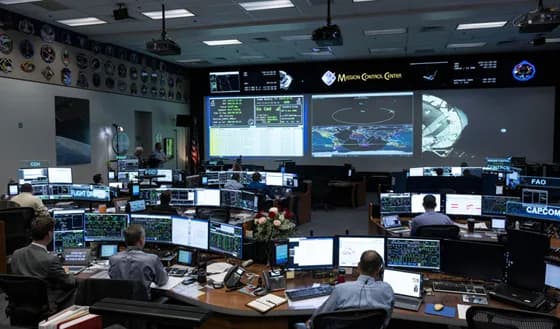
From GPS navigation on our phones to climate monitoring, satellites have become indispensable in modern life . As we enter 2026, the field of satellite operations specialist engineering is booming. There are more satellites in orbit than ever before, and demand for skilled satellite operations specialists is at an all-time high . Being a satellite operations specialist/engineer means working at the heart of mission control to keep these space assets healthy and functional. This comprehensive guide (written by an SEO expert with over 10 years of experience) will explore why this career is trending, the key skills defining the role, and how you can launch a successful career in satellite operations. Whether you’re an aspiring aerospace professional or an engineer pivoting into the space sector, now is the perfect time to join this exciting field and programs like Refonte Learning’s Satellite Operations Specialist/Engineer track can help you get there.
Space Industry Boom Driving Demand for Satellite Operations Specialists in 2026
The mid-2020s have brought unprecedented growth in the space sector, which in turn is driving huge demand for satellite operations specialists. Several key factors explain why this field is booming in 2026:
Explosion of Satellite Launches & Constellations: Humanity is launching more satellites than ever. Over 70,000 new satellites are expected in the next five years, fueled by mega-constellation projects for global internet. The number of active satellites (around 12,000 in 2023) could soar to 60,000–100,000 by the late 2020s, and each one needs skilled engineers to operate it. This unprecedented pace of deployment means a massive increase in mission control and operations jobs to monitor and control these spacecraft.
Growing Investment & New Space Players: The space industry is no longer dominated by a few government agencies. Private companies like SpaceX, OneWeb, and Amazon are investing billions in rockets and satellite networks, while governments worldwide have raised their space budgets. The global satellite industry’s market size (about $286 billion in 2022) is projected to reach $615+ billion by 2032, doubling in a decade. This flood of investment has led to new startups and ambitious “NewSpace” projects, all of which require teams of operations specialists to run their satellite fleets. Satellite controllers are needed not just at NASA/ESA, but at telecom firms, defense contractors, and tech giants jumping into space-based services.
Automation & Autonomous Satellites: As satellite technology advances, there’s a push toward more autonomous mission operations. Agencies like NASA and private operators are increasingly deploying AI-driven systems for satellite health management and automated maneuvering. However, rather than reducing the need for human operators, this trend changes the skillset required professionals with expertise in systems modeling, AI, and fault tolerance are in high demand to develop and oversee these autonomous systems. In 2026, mission control centers are adopting AI tools for anomaly detection and routine task automation, but they need operations engineers who can interpret AI outputs, handle exceptions, and ensure the software is making the right decisions. The rise of autonomy is actually creating new specialist roles, blending traditional satellite operations with data science and software skills.
Global Talent Shortage: The rapid growth of the space industry has outpaced the supply of trained professionals. There’s a critical talent gap in satellite operations and mission control, especially as private mega-constellations and AI-powered satellites surge. Organizations are often competing to hire anyone with the right operations skillset. In short, it’s a candidate’s market, great news if you’re entering this field now. Companies are also responding by investing in training programs (like those from Refonte Learning) to upskill their workforce. This talent crunch translates into strong job security and fast-track career progression for those with the needed competencies.
High Rewards and Lucrative Careers: With demand outstripping supply, salaries for satellite operations specialists are climbing. Space companies know these roles are mission-critical and offer competitive compensation to attract talent. According to Refonte’s 2026 salary guide, entry-level satellite operations engineers can start around $80,000+, with senior mission controllers earning $180,000–$190,000+ in leading markets. Even in regions outside the traditional space hubs, these specialists command premium pay relative to other engineers. Beyond the pay, there’s the reward of working on cutting-edge tech, from coordinating complex orbital maneuvers to managing real-time spacecraft data. The combination of exciting challenges and financial stability makes this field especially attractive in 2026.
In summary, the space industry’s boom more satellites, more funding, smarter systems, and a tight labor market, has created a perfect storm of opportunity for satellite operations specialists. For anyone with the right skills, 2026 offers abundant chances to join this sector and play a key role in humanity’s expanding presence in space.
What Is a Satellite Operations Specialist/Engineer in 2026?
A Satellite Operations Specialist/Engineer is the professional responsible for monitoring and controlling satellites in orbit, essentially acting as the satellite’s guardian once it’s launched. If satellite engineers design and build the spacecraft, the operations specialists are the ones who “take over” after launch, keeping the satellite healthy, on-course, and performing its mission. They work in mission control centers or ground stations, using specialized software and networks to communicate with the satellite in real time.
In practice, a satellite operations specialist’s day-to-day duties include:
Telemetry Monitoring: Continuously watching the satellite’s telemetry data a stream of status readings on power levels, temperatures, subsystem voltages, orientations, etc. They must quickly recognize any out-of-normal readings that indicate potential issues with the spacecraft’s health. Essentially, they are the eyes on the spacecraft’s vital signs.
Command and Control: Sending up commands to the satellite to control its functions. This can range from routine instructions (for example, switching on a payload, or adjusting a pointing angle) to critical commands during maneuvers or software uploads. Operations engineers handle the TT&C (Telemetry, Tracking, and Command) systems that link ground to space. They follow strict procedures and timing to ensure commands are executed correctly and safely.
Orbit and Attitude Management: Many satellites require periodic orbit adjustments or orientation (attitude) maneuvers. An operations specialist calculates and executes these maneuvers (often in coordination with a specialized flight dynamics engineer). For instance, if a satellite needs a thruster burn to maintain its orbit or avoid space debris, the ops team plans the burn and sends the maneuver commands. They also monitor that the satellite’s attitude control system (which might use reaction wheels, magnetorquers, or thrusters) is keeping the spacecraft correctly oriented for its mission.
Ground Station Coordination: Satellite ops specialists work closely with ground station networks, the antennas that actually transmit commands and receive data. They schedule communication passes, ensure ground station equipment is configured properly, and often manage a network of ground stations around the world. Understanding the ground segment (antennas, tracking systems, network links) is crucial, since without it, communication with the satellite isn’t possible. In 2026, many operations engineers also interface with cloud-based ground station services and virtual networks that downlink data to remote servers.
Anomaly Detection and Resolution: Perhaps the most critical aspect, when something goes wrong, the operations team jumps into action. Whether it’s a minor glitch or a major emergency, they troubleshoot anomalies in real time. This could involve anything from rebooting a unresponsive onboard computer, reconfiguring a faulty subsystem (switching to backup components), or developing a workaround if the satellite encounters an unexpected condition. Rapid problem-solving and calm decision-making under pressure are key; in space operations, there’s no time to panic when an alarm goes off at 2 AM. Operators often follow pre-written contingency procedures, but also need the engineering understanding to improvise solutions for novel problems.
24/7 Mission Coverage: Satellites don’t sleep, and many operate 24/7, so operations specialists often work in shifts as part of a larger team. In a mission control center, you might have a console position (like “Thermal Officer” monitoring temperatures, or “Command Controller” handling command uploads) as part of a flight control team. Together, the team ensures someone is always “on console” watching over the satellite. For critical missions, multiple specialists might monitor different subsystems simultaneously. Teamwork and clear communication are vital in this environment, as controllers hand over shifts or coordinate during complex operations.
In essence, satellite operations specialists are the caretakers and pilots of spacecraft. They bridge the gap between the satellite in space and the objectives on the ground, making sure the spacecraft executes its mission day after day. As space missions become more complex in 2026 with satellites forming large constellations and performing autonomous tasks, the role has expanded. Ops engineers today not only execute routine commands but also oversee automated scripts, manage satellite swarms, and even respond to cybersecurity alerts (protecting satellites from hacking attempts). It’s a role that demands a broad technical understanding of all satellite systems (since any subsystem could fail at any time) and the ability to make quick, critical decisions to keep missions on track. The reward is a front-row seat to space exploration and utilization: every day, you’re literally operating something that is orbiting Earth or beyond.
Essential Skills and Knowledge Areas for 2026
To excel as a satellite operations specialist in 2026, you need a diverse skill set that spans aerospace engineering fundamentals, computer systems, and real-time operations management. It’s truly an interdisciplinary role at the crossroads of spacecraft engineering, software, and networking. According to Refonte Learning’s Satellite Operations Specialist/Engineer program, key competencies you’ll develop include :
Fundamentals of Satellite Operations: A solid grasp of how satellites function and are managed throughout their lifecycle, from launch and early orbit phase (LEOP) to routine operations and end-of-life deorbit. This includes understanding the overall spacecraft systems (power, communications, thermal, etc.) and mission phases.
Mission Planning and Spacecraft Lifecycle: Knowledge of how missions are planned and executed. Operations specialists often contribute to or follow a mission operations plan that covers scheduling contacts, data downloads, maintenance activities, etc. Understanding the spacecraft lifecycle helps in anticipating when various tasks (software updates, orbital maneuvers, etc.) need to be performed.
Orbit Determination and Control: Competency in orbital mechanics as it relates to operations. You should be comfortable with predicting and updating the satellite’s orbit, planning orbit correction maneuvers, and ensuring the satellite remains in its intended orbital slot or trajectory. This involves using tracking data (from radar or GPS onboard) to determine the orbit and then using thrusters for orbit control when needed.
Telemetry, Tracking, and Command (TT&C): Mastery of the TT&C systems that form the communications link between the satellite and ground. This means knowing how telemetry is transmitted and received, how tracking of the satellite’s signal is done, and how commands are packaged and sent. It also involves understanding the radio frequencies used, modulation, encoding, and the ground station equipment (antennas, modems, etc.) that support TT&C.
Ground Station Operations and Network Management: Familiarity with the ground segment, including the scheduling of ground station passes, configuring ground station equipment, and managing a network of stations (potentially in different locations worldwide). In 2026, this also extends to using cloud-based ground station services and ensuring reliable network links to feed satellite data into cloud platforms for processing.
Anomaly Detection and Resolution: The ability to detect anomalies (any deviation from normal operation) and systematically troubleshoot them. This skill set ranges from using telemetry data to diagnose issues (e.g., a drop in power might indicate a solar array problem) to executing contingency procedures. Creativity and critical thinking are required to resolve unexpected problems when no checklist exists.
Spacecraft Health Monitoring and Data Analysis: Proficiency in analyzing the vast amounts of telemetry and performance data that satellites generate. Operations engineers use custom tools and dashboards to spot trends for example, a gradually warming component or increasing battery discharge rate, and take preventive action. Data analysis skills, possibly including basic scripting or use of databases, are very useful for identifying subtle issues before they become mission-threatening.
Automation in Satellite Operations: Knowledge of how to use and develop automation to streamline operations. Modern satellite control centers use scripts and automated sequences for routine tasks (like daily power cycling or data downloads). Understanding scripting languages (Python is common), automation frameworks, and even a bit of machine learning for anomaly detection can make an operations specialist more effective and efficient.
Operational Case Studies and Simulations: Experience with realistic simulations and previous case studies of satellite operations. For instance, practicing spacecraft emergency drills (simulated failures) or studying past satellite anomaly reports provides invaluable lessons. Refonte’s program emphasizes hands-on simulations, which prepare you for real-world scenarios where you must apply all of the above competencies in concert.
These technical areas align closely with what industry reports as the top in-demand skills for 2026 such as orbital mechanics, TT&C systems, ground segment integration, RF communications, and automated operations. In addition to technical know-how, a satellite operations specialist needs certain soft skills and traits. Chief among these are analytical thinking and problem-solving under pressure. When an unexpected event occurs on a satellite, you’ll need to rapidly diagnose and fix it often in a high-stakes environment. Attention to detail is crucial, since a small oversight (like a wrong command parameter) can have outsized consequences in space.
Proficiency with common tools and software used in satellite operations is also a big plus. This might include mission planning and analysis software like STK (Systems Tool Kit) for orbit simulation or GMAT for trajectory analysis, as well as specialized satellite control software suites provided by agencies or companies. Many operations centers use custom systems, but having a background in these standard tools makes it easier to learn any specific platform. Knowledge of programming (Python, C++ scripting) is valuable for automating tasks or parsing telemetry logs.
Furthermore, communication and teamwork skills are vital. As an ops engineer, you’re often working in a team (with other engineers on different subsystems) and may need to brief management or write status reports. You should be able to clearly communicate complex technical issues and coordinate smoothly with others, whether it’s during a routine shift handover or in the middle of a critical anomaly. Given that the field evolves quickly, a commitment to continuous learning is important as well. New satellite technologies, updated procedures, and emerging best practices require an operations specialist to stay curious and keep their skills up to date. In short, the best satellite operations specialists in 2026 are those who combine broad technical knowledge, hands-on tool usage, quick thinking, and collaborative mindset to ensure every mission is a success.
Trends Shaping Satellite Operations in 2026
Satellite mission operations in 2026 is not the same as it was a decade ago. Several major trends and technological advances are redefining how we manage satellites, opening new possibilities (and challenges) for operations engineers. Here are some of the most significant trends to watch:
Managing Mega-Constellations and Multi-Satellite Fleets: The advent of mega-constellations, large fleets of dozens, hundreds, or even thousands of satellites is a game-changer for operations. Instead of controlling one satellite, teams now oversee swarms of satellites that orbit in coordinated fashion. For example, SpaceX’s Starlink network has already launched thousands of satellites and plans to grow to nearly 30,000 satellites in its constellation, while OneWeb, Amazon’s Project Kuiper, and others are launching their own fleets. This shift requires new approaches in mission control: automated scheduling systems to allocate ground station contacts among satellites, software to monitor satellite “health” in aggregate, and network management techniques akin to managing an internet network in space. Operations specialists must handle hand-offs as satellites move in and out of ground station range, and ensure seamless service continuity across the constellation. In effect, mission control is evolving to manage “space networks” rather than individual spacecraft. This trend also brings challenges in terms of collision avoidance (with so many satellites) and coordinated maneuvers the ops team plays a key role in tracking each satellite’s orbit and executing avoidance burns when needed. The bottom line: if you can manage one satellite, in 2026 you may be asked to manage 100 at once, so scalability and systems thinking are critical.
AI-Driven Autonomy in Mission Control: Artificial intelligence is making its mark in satellite operations. Onboard AI systems now allow satellites to make certain decisions autonomously (for instance, choosing to switch to a backup component when a primary fails, without waiting for ground intervention). On the ground, AI-based software is used to analyze telemetry for anomaly detection, predict satellite behavior, and even recommend optimal responses. By 2026, some missions are approaching a level of “lights-out” operations where routine tasks are fully automated. However, this doesn’t eliminate the need for human operators instead, it shifts their role. Operations engineers are increasingly becoming managers of autonomous agents, overseeing AI systems and stepping in when the AI flags an issue or reaches a decision threshold. They also work on “teaching” the AI feeding it training data from past satellite behaviors so it can recognize patterns. A practical example is using machine learning to predict when a satellite’s battery might fail based on subtle telemetry trends, allowing the ops team to act proactively. Autonomy also demands new expertise: understanding machine learning models, validating AI decisions, and ensuring that automated routines have proper safety checks. As noted in industry analyses, the move toward autonomous operations is driving demand for specialists skilled in areas like fault tolerant systems and predictive analytics . In essence, the ops team of the future collaborates with AI co-workers, and those who can harness these tools will be especially valuable.
Cloud-Based Ground Infrastructure and Remote Operations: Traditionally, satellite control centers were physical rooms full of consoles, all located in one facility, connecting to dedicated ground antennas. By 2026, that paradigm is shifting. Ground stations “as-a-service” have emerged companies like AWS and Microsoft operate global antenna networks in the cloud, which satellite operators can use on demand. Mission data can stream directly from antenna to cloud servers, where operations engineers (or even cloud-based algorithms) can access it from anywhere. This means satellite operations can increasingly be done remotely and distributed across multiple sites. Teams can be geographically separated yet share real-time dashboards through cloud platforms. There are already examples of missions controlled entirely via web interfaces, with engineers logging in from home or different offices. This trend lowers the barrier to entry for new companies (they don’t need to build their own ground stations) and introduces flexibility in staffing (24/7 shifts can be covered by operators in different time zones). As an operations specialist, you'll need familiarity with cloud computing basics and network security, since transmitting command/control data over the internet requires robust cybersecurity measures. The satellite ground station market is growing rapidly to support this new model, and operations teams are adapting to more software-defined, virtualized ground systems. One consequence is that knowledge of IT and networks is now part of the skill set, troubleshooting a satellite issue might also involve checking cloud server logs or network latency, not just the spacecraft. On the upside, this technology also makes the career more accessible; in 2026 it’s conceivable to operate a satellite with just a laptop and internet connection to a cloud ground station.
Global and Distributed Mission Operations: Along with cloud connectivity, the structure of mission operations teams is becoming more global. Space projects are often international collaborations, and companies are hiring talent worldwide to staff operations roles. It’s not uncommon to have a satellite controlled by a team spread across the US and Europe, handing off shifts. Remote and hybrid work options have expanded in this field too some organizations now allow mission controllers to work from home part-time, which was rare in the past. Additionally, emerging spacefaring nations are establishing their own mission control centers, increasing the geographic diversity of opportunities. As a result, satellite ops specialists should be prepared to work in multicultural teams and perhaps odd hours to synchronize with colleagues and satellites in various orbits. The trend toward distributed operations also means more resilience, if one control center goes offline (due to a natural disaster, for instance), another can pick up the slack. For professionals, this global expansion is exciting: your skills can literally take you anywhere on the planet. Companies will “follow the sun” with operations, and specialists willing to relocate or work flexible hours might find even more job openings. In short, the world of mission control is flattening and expanding simultaneously offering new work arrangements and requiring adaptability to different tools, time zones, and team dynamics.
These trends are shaping satellite operations into a more high-tech, software-centric, and globally integrated discipline. The satellite operations specialist of 2026 must be adaptable and forward-looking, ready to incorporate new technologies into their workflow. Those who embrace these trends by learning about AI, staying current with network/cloud tools, and being open to new operational concepts will be at the forefront of the field. It’s an exciting evolution: from the classic image of Apollo-era engineers at consoles, we’re moving to AI-augmented, networked, worldwide mission control teams managing constellations of smart satellites. The core mission remains the same, keep the space assets operating flawlessly but the methods are rapidly advancing with the times.
Career Outlook and Opportunities for Satellite Operations Specialists in 2026
With the industry growth and tech trends described above, the career outlook for satellite operations specialists in 2026 is outstanding. These professionals are in high demand, and organizations across the globe are often competing to hire those with the right skill set. If you have training in satellite operations, you’ll find a wide variety of organizations where you can apply your skills:
National Space Agencies: Space agencies like NASA, ESA, ISRO, JAXA, and others all need mission operations engineers to run their spacecraft. Whether it’s an Earth-observing satellite, a deep-space probe, or an experimental tech demo satellite, agencies maintain control centers staffed with ops specialists. Working at an agency often means handling some of the most advanced missions (think Mars rovers or space telescopes) with large, well-coordinated teams.
Commercial Satellite Operators: Private companies form a huge part of the job market. This includes operators of communication satellite fleets (e.g., operators like Intelsat, SES, or Inmarsat that have many GEO satellites for TV, internet, etc.), satellite internet providers (SpaceX Starlink, OneWeb, Amazon’s Kuiper), Earth observation companies (Planet Labs, Maxar, etc. who operate imaging satellites), and emerging startups launching novel constellations (for IoT networks, weather monitoring, etc.). Every company deploying satellites needs an operations team to manage them. In fact, the global space workforce has been growing fast, Europe’s space industry workforce grew 66% in the past decade, and the U.S. added over 21,000 new space jobs between 2022 and 2023 much of that growth comes from commercial ventures.
Defense and Government Contractors: Many defense organizations and aerospace contractors operate satellites for military, intelligence, or civil purposes. These range from reconnaissance and surveillance satellites to secure communication and GPS navigation satellites. Companies like Lockheed Martin, Northrop Grumman, and Boeing (in the U.S.), or Airbus Defence & Space and Thales (in Europe), often have contracts to both build and help operate government satellites. Operations specialists in this arena may need security clearances but can work on missions critical to national security. There’s also an increasing crossover where defense agencies leverage commercial operators for services, but still require in-house experts to interface with those systems.
Research Institutions and Universities: Universities that have space programs or cubesat projects often maintain their own small mission operations centers for student-built satellites. Likewise, research institutions running scientific satellites or telescopes (like certain environmental or astronomy missions) employ operations staff. These roles can sometimes be stepping stones for example, working on a university’s cubesat operation can give you experience that propels you into a bigger agency or company role.
One of the exciting aspects of this career is that your skills are transferable globally. Aerospace has become a truly international industry: a skilled satellite operations engineer from one country can find opportunities in another, as space companies and agencies “look for talent wherever it can be found”. We’re seeing growth in space sectors of many regions, not only the U.S. and Europe, but also India, Japan, Canada, Australia, the Middle East, and more are expanding their satellite programs. This means you could potentially work in mission control in places ranging from Silicon Valley to Bangalore to Dubai. For those willing to travel or relocate, the career can literally be a passport to see the world (or you may collaborate with international partners remotely).
In terms of job titles, not every position will be called “Satellite Operations Specialist”, so it’s good to know the variants. You might see titles like Mission Operations Engineer, Satellite Controller, Flight Operations Engineer, Mission Controller, or Ground Station Engineer for roles that overlap with satellite ops. If the role is more specialized, titles such as Flight Dynamics Officer (focusing on orbits), Telemetry Engineer (focusing on data systems), or Spacecraft Analyst might appear. The core skill set is similar, but larger missions often break the team into these specialty roles. Regardless of title, the career path typically allows growth from a junior controller (watching a specific subsystem perhaps) to a lead flight director or operations manager overseeing entire missions as you gain experience. Some senior ops specialists also transition into roles like mission planning lead or systems engineering, given their deep knowledge of how all parts of a mission come together.
Crucially, the earning potential in this field is attractive. As mentioned, salaries are strong and growing. In the United States, a new graduate in an ops role might start in the $70k–$90k range, while those with a few years of experience often cross into six figures. Globally, pay scales vary, but they tend to be well above average for the region (for example, satellite ops engineers in Europe often earn in the high five figures in Euros, and in developing space nations the salaries, while lower in absolute terms, are among the top for engineers). Refonte’s own analysis shows 2026 salaries ranging from ~$82,000 at entry level to $190,000+ for senior mission control roles in top markets. Beyond base salary, many positions come with additional benefits, like overtime pay for odd hours, bonuses for successful mission milestones, or even profit-sharing in startups. The tight talent market also means companies are offering enticing perks to attract and retain operations staff (think flexible schedules, training opportunities, and clear paths to advancement).
Another rewarding aspect of the career is less tangible: the sense of purpose and impact. As a satellite operations specialist, you are directly contributing to systems that connect and improve the world. One day you might be enabling emergency responders by keeping a disaster-relief comm satellite online, the next day ensuring a climate satellite gathers data that informs environmental policy, and the day after operating a science probe studying another planet. Knowing that your work helps provide GPS navigation to billions, or internet connectivity to remote communities, or imagery that aids in conservation, that brings a deep level of job satisfaction. Many in this field find it exciting that their daily work involves space technology and has a real-world impact on Earth. You’re not just writing code or turning a wrench in isolation; you’re orchestrating a high-tech ballet in space that benefits humanity. This sense of mission, combined with the dynamic nature of the work (no two days are exactly the same when something 500 miles overhead can surprise you), means job satisfaction tends to be high.
Overall, the trajectory for satellite operations careers in 2026 and beyond is very promising. The space industry’s growth shows no sign of slowing, in fact, it’s accelerating. Analysts project the global space economy to exceed $1 trillion by 2030 , and satellite operations is a crucial piece of that economy. For professionals entering now, that means plenty of opportunity, increasing salaries, and the chance to be on the cutting edge of space technology. It’s truly an ideal time to launch a career in this field. The next step is understanding how to get there what you need to do to become a satellite operations specialist. Let’s break down the path to entering this exciting career.
How to Become a Satellite Operations Specialist/Engineer: A Step-by-Step Guide
Breaking into the field of satellite mission operations may seem daunting, but with the right approach and persistence, you can build a successful career. Here are some actionable steps to get you started on the path to becoming a satellite operations specialist:
Build a Strong Educational Foundation: Focus on STEM education, particularly in areas like aerospace engineering, electrical engineering, computer engineering, or related fields. A bachelor’s degree (or higher) in one of these disciplines provides the fundamental physics and engineering principles you’ll need. Take courses in orbital mechanics, control systems, telecommunications, computer science, and networking if available, operations is multidisciplinary, so a broad exposure helps. If you’re coming from a different background or need to shore up specific knowledge areas, consider taking foundational online courses in orbital mechanics or satellite systems (Refonte Learning even offers beginner-friendly modules) to cover any gaps. A solid grounding in math (calculus, linear algebra) and physics (mechanics, electromagnetics) is crucial as well. Essentially, you want to understand how things work both in space (orbital dynamics, spacecraft systems) and on the ground (radio communication and computers), since a satellite ops role sits at the intersection of these domains.
Master Core Operations Concepts and Tools: Beyond general aerospace knowledge, try to develop expertise in the specific concepts of satellite operations. Learn the basics of TT&C protocols, how satellites communicate with ground stations, and how mission control software works. If your university has a lab or elective on satellite operations or space systems engineering, take it. Familiarize yourself with the kind of software and tools used in operations: for instance, you might experiment with NASA’s General Mission Analysis Tool (GMAT) or AGI’s STK to simulate orbits and maneuvers. You could also practice with ham radio or SDR (Software Defined Radio) equipment to receive weather satellite images or CubeSat beacon signals, this hands-on practice builds intuition about satellite communications. Understanding networking and IT is increasingly important too (many modern satellites use IP networks internally and for downlinking data). If possible, get comfortable with Linux, scripting (Python), and databases, since many control centers use those for automation and data analysis. Essentially, become a bit of a “systems engineer”: know a little about everything orbits, radios, computers, even space law (for example, knowledge of satellite regulations and spectrum licensing) because ops specialists end up dealing with all of it.
Get Hands-On Experience Early: Theory alone is not enough; practical experience will set you apart from other candidates. Seek out opportunities to work on real or simulated space projects while you’re in school or early in your career. If you’re in university, join a CubeSat project or a student satellite team many colleges build and operate their own small satellites or high-altitude balloon experiments. These projects often involve an operations component (students have to communicate with and control their satellite once launched). By participating, you might find yourself helping to build a ground station, writing command scripts, or operating the satellite during passes. This kind of experience teaches you how real-world constraints play out (for example, dealing with limited communication windows or debugging why you’re not receiving telemetry). If you’re not in an academic environment, you can create your own mini-experiences: set up a DIY satellite tracking station in your backyard (there are online communities that guide you in using inexpensive antennas and receivers to listen to satellites), or contribute to open-source space projects. Even programming an Arduino or Raspberry Pi to simulate a satellite telemetry stream can be insightful practice in writing and parsing spacecraft data. Participating in aerospace competitions or hackathons is another avenue for example, the NASA Space Apps Challenge or ESA’s hackathons often have problem statements related to satellite data and operations. The key is to apply your knowledge to real or realistic scenarios. Not only does this solidify what you’ve learned, it also produces tangible results you can show employers. As one industry expert puts it, working on a small satellite project not only cements your understanding, it “looks great on a resume” when landing that first job or internship.
Pursue Internships and Training Programs: An internship can be a golden ticket into the space industry. Look for internships or co-op programs with satellite operators, space agencies, aerospace companies, or even relevant tech companies. Many organizations from NASA to SpaceX to smaller startups, offer internships in mission operations or systems engineering. Even if you can’t get directly into a satellite ops role initially, a related internship (for example, in satellite testing, network engineering, or software development at a space company) can provide transferable skills and foot-in-the-door opportunities. During any internship, be a sponge: soak up the practical knowledge of how missions are run. You might get to assist in writing operations procedures, monitoring real mission telemetry, or shadowing operators during live satellite contacts. These experiences not only boost your skills but also expand your professional network. In addition to traditional internships, consider structured training programs. For instance, Refonte Learning’s international training & internship programs connect learners to real industry projects under the guidance of experienced mentors. Such programs simulate job tasks and allow you to work on projects (like a mock satellite mission or ground station setup) that you can later showcase in interviews. The combination of mentorship and hands-on project work accelerates your learning and signals to employers that you have relevant applied experience. By the end of a good internship or training stint, you could have concrete accomplishments, e.g. “Configured and operated a ground station to track a CubeSat, and resolved communication drop-out issues”, which will make you a strong candidate for full-time roles.
Develop a Niche (but Stay Versatile): While you need broad knowledge in this interdisciplinary field, it also helps to have one or two specialty areas where you really shine. Perhaps you become particularly skilled at orbit analysis and maneuvers, making you the go-to person for trajectory adjustments. Or maybe you have a talent for software and scripting, so you focus on building automation tools for the ops team. You might dive deep into RF communications and become an expert in ground station engineering, or specialize in satellite cybersecurity (an emerging niche as well). Having a niche expertise can set you apart and make you especially attractive to employers looking for specific skill sets. One way to cement a niche is through certifications or focused courses for example, earning a Space Mission Operations Specialist (SMOS) certification could formally validate your mission operations knowledge, or obtaining a general certification like Cisco’s CCNA (for networking) or CompTIA Security+ (for cybersecurity) can be valuable if you aim to specialize in network integration or secure satellite communications. However, while cultivating a specialty, don’t pigeonhole yourself too much. The best satellite operations engineers maintain a systems-level perspective even as they specialize. You should understand how all the pieces fit together. For instance, if your niche is automation software, you still need to know the orbital mechanics context of the maneuvers you’re automating; if you’re a propulsion operations specialist commanding thruster burns, you should also understand the communications and timing constraints around sending those commands. This blend of depth in a niche and breadth across the system will make you especially valuable. It allows you to tackle complex problems (which often span multiple subsystems) and to move into leadership roles down the line, because you understand what everyone on the team is talking about.
Stay Informed and Network with Professionals: The space field is evolving quickly, so staying up-to-date is part of the job description. Make it a habit to follow space industry news new satellite launches, technology breakthroughs, policy changes (like spectrum allocations) because these can affect operations. There are excellent online resources, forums, and newsletters (e.g. SpaceNews, NASA/ESA press releases, and aerospace forums) that can keep you informed. Simultaneously, start networking early. Join professional groups or online communities related to space and satellite engineering. LinkedIn, for example, has groups for aerospace professionals; Reddit has r/space and r/cubesat communities; organizations like AIAA or the Space Generation Advisory Council offer student memberships and events. Attend conferences or workshops if you can, such as the Small Satellite Conference, the AIAA Ascend, or local space meetups. When you meet people in the field, don’t be afraid to express your interest and ask questions, most folks are very passionate and happy to help newcomers. Networking can lead to mentorship opportunities or job referrals; remember that many jobs (especially in government-related space orgs) might not be widely advertised and are filled via referrals. Engaging with Refonte Learning’s community of instructors, alumni, and fellow learners is another great way to connect with like-minded individuals and seasoned experts. Being active in such communities means you can learn from others’ experiences, stay motivated, and potentially hear about job openings early. As you grow your network, maintain those relationships (even something as simple as sharing an interesting space article with your network or congratulating a contact on their mission’s success can keep connections warm). Over time, a strong professional network coupled with an up-to-date skill set will ensure you hear “through the grapevine” about opportunities and have supporters who can vouch for you.
By following these steps education, skills development, hands-on experience, internships, specialization, and networking, you will steadily progress toward becoming a capable satellite operations specialist. It’s a challenging journey, no doubt. The aerospace field sets a high bar for technical competence and reliability. But each project you complete or concept you master brings you closer to your goal. Stay curious and persistent. The field rewards those who are passionate about space and who continuously seek to learn and improve. And remember, every expert in mission control started out as a beginner who simply loved space and technology. With the right preparation and mindset, you too can earn a spot in the control room and help run missions that push the boundaries of what humanity can do in space.
Conclusion
In 2026, a career as a satellite operations specialist/engineer puts you truly at the frontier of technology and exploration. It’s a field where you can work on projects orbiting above Earth or traveling to the Moon, Mars, and beyond and see tangible results of your work in the form of data and services that benefit people worldwide. The outlook for this career path is undeniably exciting: satellite constellations are bridging the digital divide, autonomous systems are making space operations more efficient, and the global space economy is set to skyrocket. For ambitious professionals, this means a chance to be part of something historic and fast-growing.
The journey to get there requires dedication you’ll need to master complex interdisciplinary skills and stay adaptable, but the rewards are well worth it. Rising demand and salaries ensure that if you build the right expertise, you’ll have your pick of opportunities and a very comfortable living. More importantly, you’ll have a deeply fulfilling role at the cutting-edge of space science and technology. Every satellite you help operate, every signal you capture, every anomaly you resolve contributes to the larger human endeavor of using space for progress and discovery. Few careers offer that combination of high-tech excitement, problem-solving adrenaline, and meaningful impact.
If you’re inspired to become a part of this field, there’s no better time than now. Start building your foundation, get involved in space projects, and connect with the community. Leverage resources like Refonte Learning’s Satellite Operations Specialist Engineer program a comprehensive launchpad to gain the hands-on skills and mentorship that top employers seek. With the right training and experience, you could soon find yourself sitting at a console, headset on, orchestrating maneuvers for a satellite hurtling through space. The first time you send a command and hear that telemetry “heartbeat” come back from orbit, you’ll know: you’ve truly launched your career into orbit.
In 2026 and beyond, satellite operations specialist engineering isn’t just a job, it’s a calling, one that will let you play a key role in humanity’s bold new chapter in space. So gear up, aim high, and get ready to take control… your mission is about to begin. 🚀