As organizations across industries double down on Agile practices in 2026, the role of the Scrum Master has become more critical and more in demand than ever. In fact, roughly 66% of organizations now use Scrum or other Agile frameworks, extending far beyond software teams into finance, healthcare, marketing and more. Companies have learned that without strong Scrum Masters, even the best technical teams can falter in today’s complex, AI-driven projects. The “Scrum Master in 2026” is no longer just a meeting facilitator; they are servant-leaders who empower teams, eliminate roadblocks, and drive continuous improvement in an era of digital transformation.
This article explores what a Scrum Master really does, why Scrum Masters are in such high demand in 2026, the top trends shaping the role’s future, the key skills needed to succeed, and how you can launch a successful Scrum Master career. (Spoiler: programs like Refonte Learning’s Scrum Master Program are designed to equip aspiring Scrum Masters with the latest skills through hands-on training and real-world experience .) Let’s dive in!
What Is a Scrum Master? (Role Overview)
In simple terms, a Scrum Master is the team’s Agile facilitator and coach a “servant leader” who ensures the Scrum process runs smoothly and the team can perform at its best. Unlike a traditional manager, a Scrum Master doesn’t issue orders or assign tasks; instead, they act as a mentor and guide, enabling the team to self-organize and continuously improve. Refonte Learning emphasizes that understanding this servant-leader mindset is key for anyone exploring an Agile career path.
Key responsibilities of a Scrum Master include:
Facilitating Scrum ceremonies: The Scrum Master organizes and leads all Scrum meetings daily stand-ups, sprint planning, sprint reviews, and retrospectives ensuring each event stays focused and time-boxed. For example, in daily stand-ups they’ll prompt the team to cover the key questions (“What was done? What’s next? Any blockers?”) and keep the discussion on track. In sprint retrospectives, they encourage honest reflection and guide the team to identify improvement actions.
Removing impediments: A core duty is to proactively remove any obstacles that slow the team down. This could range from resolving a team conflict or getting a quick decision from another department, to securing needed tools or clarifying requirements. Whatever the blocker, the Scrum Master steps in to clear the path negotiating with other teams if needed or finding workarounds, so the team can maintain momentum toward its sprint goals. By relentlessly eliminating roadblocks, Scrum Masters enable faster, smoother delivery.
Coaching and servant-leadership: Scrum Masters coach the team on Scrum principles and Agile best practices (especially if team members are new to Agile). They instill the values of openness, courage, focus, respect, and commitment. Importantly, the Scrum Master does not act as a “boss” they have no formal authority over the team. Instead, they influence through guidance and example, fostering self-organization. You’ll often hear that a Scrum Master “leads by serving” they put the team’s needs first. This servant-leader approach builds trust and high morale: the team sees the Scrum Master as a supportive coach who has their back, not an authority figure to fear.
Shielding the team and managing stakeholders: Part of serving the team is buffering them from outside distractions or undue pressure. A Scrum Master might communicate with stakeholders and managers on the team’s behalf to manage expectations. For example, if executives constantly interrupt developers for status updates, a Scrum Master will set up a better information radiator or regular update meeting so stakeholders get their info without derailing the team’s focus. They also educate stakeholders (and even clients) about Agile processes, ensuring everyone understands how Scrum works and the value of respecting the team’s workflow.
It’s worth noting that a Scrum Master is not the same as a traditional Project Manager. While both roles involve helping teams succeed, their focus and authority differ significantly. A Project Manager typically has broad control defining scope, timelines, managing budgets, and often directly assigning tasks and making decisions. In contrast, a Scrum Master has no formal authority over the team’s work; they do not assign tasks or dictate plans. Instead, the Scrum Master’s focus is on the process and team dynamics: they encourage the team to plan their own work and self-organize, facilitating rather than directing. As Refonte Learning succinctly puts it, the Project Manager is accountable for the project’s outcome (on time, on budget, to scope), whereas the Scrum Master is accountable for the team’s ongoing improvement and adherence to Agile principles . Both roles require strong communication and leadership, but the mindset is different, command-and-control vs. servant-leadership . In many modern Agile organizations, a traditional Project Manager role might not even exist; instead, the Scrum Master, Product Owner, and team collectively share those responsibilities. (For a deeper breakdown of these differences, see our guide on Scrum Master vs. Project Manager .) Understanding this distinction helps organizations leverage each role effectively, and helps professionals choose the career path that fits their strengths.
Why Scrum Masters Are in High Demand in 2026
Scrum Masters play a pivotal role in today’s Agile, fast-moving projects. They are much more than meeting facilitators they are servant leaders who empower teams to deliver results. Several factors explain why Scrum Masters remain in high demand in 2026:
Agile Adoption Is Ubiquitous: Agile methodologies like Scrum have gone mainstream in virtually every sector. As of 2025, around 66% of organizations use Scrum or other Agile frameworks, not just in software but also in finance, healthcare, marketing, and beyond. Even traditionally non-tech teams have embraced Scrum to manage work incrementally and respond to change. This widespread adoption means Scrum Masters are needed in almost every domain to guide teams in applying Agile methods. New areas like data science and AI projects have also begun using Scrum in 2026, further broadening the need for skilled Scrum Masters who can tailor Agile processes to different kinds of work. Simply put, wherever Agile is in use, Scrum Masters are essential.
Proven Impact on Delivery Speed and Quality: Companies have seen tangible benefits from having competent Scrum Masters and they want more of it. By enforcing focus, removing bottlenecks, and fostering continuous improvement, Scrum Masters help teams deliver faster and smarter. For example, adopting Scrum at scale has enabled some organizations to achieve 5–10× faster delivery, cutting time-to-market from months to weeks in some cases. One report noted that a Certified Scrum Master “empowers teams, eliminates roadblocks, and ensures faster, high-quality product delivery,” directly driving business value. In competitive markets, faster delivery and adaptability are gold, so companies highly value Scrum Masters for the performance boost they bring. A strong Scrum Master can be the difference between a team floundering or consistently exceeding expectations and that ROI on Agile leadership has been proven in the field.
Leadership in Digital Transformation: As every company undergoes some form of digital transformation implementing new technologies like cloud, AI, automation, and advanced data analytics the need for adaptability and cross-team coordination is paramount. Scrum Masters are crucial change agents in these transformations, ensuring that teams can integrate new tech and new ways of working without losing agility . They help embed Agile thinking in diverse teams (not just software developers, but data scientists, designers, marketers, etc.), so even exploratory R&D projects have enough structure to deliver results. For instance, in AI and Big Data initiatives, Scrum Masters provide an iterative framework (sprints, feedback loops) that allows innovation to flourish while still keeping projects on track. Companies see that having Scrum Masters lead teams through complex changes results in better adoption of new tools and processes. In 2026, this ability to lead through uncertainty and drive digital initiatives makes Scrum Masters indispensable in forward-looking organizations.
Talent Shortage & Rising Salaries: Perhaps the clearest sign of demand is the shortage of experienced Scrum Masters (and Agile coaches) and the resulting surge in salaries. The role was already growing fast, but projections show Scrum Master job growth at ~24% by 2026, far outpacing many other roles. Companies large and small are struggling to find enough people with strong Agile leadership skills. As a result, they’re willing to pay top dollar for talent who can lead teams to success using Scrum. By 2025, mid-level Scrum Masters were easily earning six-figure salaries, and by 2026, senior Scrum Masters or Agile Coaches are often commanding $140k–$160k+ annual salaries in many markets. (For a detailed breakdown by experience and role, see Refonte Learning’s Certified Scrum Master Salary Guide 2026, which shows how senior Agile roles like Release Train Engineers or Enterprise Coaches can exceed these ranges.) The bottom line: organizations recognize Scrum Masters as mission-critical, and they’re compensating accordingly. This talent crunch means huge opportunity for those entering the field with the right skills and certifications, you can land a high-paying Agile leadership role in this climate.
In summary, the Scrum Master role has immense future scope. Agile methods are everywhere, and companies have learned that without strong Scrum Masters, even the best teams can stumble. The combination of widespread Agile adoption, proven project impact, the push for digital agility, and a talent shortage makes Scrum Masters one of the hottest tickets in the job market as we head further into 2026.
Top Trends Shaping the Scrum Master Role in 2026
The Scrum Master role in 2026 is not static, it’s adapting to new trends in technology and work culture. Here are five key trends every Scrum Master should watch and embrace:
AI and Automation in Agile: Artificial intelligence is steadily making its way into project management and team workflows. Rather than replacing Scrum Masters, these tools augment their decision-making. In 2026, successful Scrum Masters are leveraging AI-powered tools for smarter insights for example, using machine learning to predict sprint velocities or identify risk areas in the backlog. AI can automate tasks like updating burndown charts or analyzing team capacity, freeing the Scrum Master to focus on human-centric coaching. Crucially, Scrum Masters also play a role in overseeing ethical AI use in projects, ensuring that data-driven decisions don’t override human judgment and customer focus. The bottom line: embracing AI tools can help Scrum Masters facilitate more informed, efficient teams so long as technology is used in service of the team’s goals, not as a replacement for empathy and insight.
Scaled Agile Frameworks Going Mainstream: As companies undertake larger and more complex initiatives, knowledge of scaling frameworks (like SAFe, LeSS, Nexus) has become a must-have. By 2026, it’s common for enterprises to have 10+ Scrum teams working on interconnected products or programs. Frameworks like SAFe (Scaled Agile Framework) are widely adopted over 70% of Fortune 100 companies reportedly use SAFe to coordinate Agile at scale. This trend means Scrum Masters are often operating not just at the single-team level, but also coordinating across multiple teams as part of an Agile Release Train or similar structure. Professionals trained in scaling Agile are in high demand, as they can align numerous teams with strategic business goals while avoiding “Agile chaos.” Many experienced Scrum Masters are stepping into roles like Release Train Engineer or Enterprise Agile Coach, orchestrating Agile execution across programs. If you have expertise in scaling Agile, you’ll be positioned as a key player in large organizations by 2026.
Remote and Hybrid Team Facilitation: The post-2020 normalization of remote work has forever changed how teams operate. In 2026, many Scrum Masters lead distributed teams spread across cities or even continents. This trend forces Scrum Masters to become experts in remote facilitation running effective virtual daily scrums, sprint reviews, and retrospectives using online collaboration tools. They must find creative ways to foster team cohesion without the benefit of in-person interaction, leveraging video conferencing, digital whiteboards, and asynchronous communication channels. A crucial skill here is keeping remote team members engaged and ensuring everyone’s voice is heard despite time zone differences. Notably, companies have found that remote-first Agile teams can perform on par with co-located teams when guided by skilled Scrum Masters adept at digital collaboration. In practical terms, the Scrum Master of 2026 needs to be as comfortable leading a Zoom retrospective as a face-to-face meeting. Those who excel in a hybrid environment help their organizations tap into global talent while maintaining a strong Agile culture.
Scrum Master Evolving into Agile Coach: Another trend is the evolution of the Scrum Master into more of an Agile Coach or multi-team mentor with expanded responsibilities. Many organizations in 2026 ask Scrum Masters not only to facilitate one team’s process, but also to evangelize Agile values across departments and mentor other teams. Experienced Scrum Masters are increasingly acting as organizational coaches guiding multiple teams, advising managers on Agile adoption, and driving continuous improvement at a broader level. This shift means honing skills in change management and coaching at all levels. Scrum Masters are becoming the go-to Agile experts in their companies, tasked with spreading best practices beyond their immediate team. They often mentor new Scrum Masters, lead Communities of Practice, and ensure that agility doesn’t stall at the team level but permeates the organization’s culture. For Scrum Masters, this trend underscores the importance of developing leadership and consulting skills. Your value in 2026 isn’t just running ceremonies, it’s in nurturing an Agile mindset throughout the organization.
Continuous Learning and Cross-Skilling: The rapid changes in technology and business require Scrum Masters to be lifelong learners. In 2026, the best Scrum Masters are those who continuously upskill themselves. This often means obtaining new certifications and learning about adjacent fields for example, gaining some knowledge of DevOps, UX design, data analytics, or other domains their teams work in Scrum Masters. This trend of cross-skilling ensures a Scrum Master can communicate effectively with specialists (be it a cloud engineer or data scientist) and understand project challenges in context. For instance, a Scrum Master with basic understanding of machine learning and data pipelines will better facilitate a data science team’s sprint planning, since they grasp the terminology and hurdles involved. Likewise, many Scrum Masters are adding credentials like PMP (Project Management Professional) or Lean Six Sigma to blend Agile with traditional project management when needed, creating a “hybrid” skill set. The bottom line: in 2026, the Scrum Master who stagnates will be left behind. Adaptability and learning agility have become key professional traits for this role. As Refonte Learning often stresses, effective Scrum Masters are “lifelong learners and teachers,” continuously sharing knowledge and improving themselves along with their teams. To stay on top, make a habit of attending workshops, reading up on the latest Agile techniques, and expanding your expertise beyond the basics.
Essential Skills and Strategies for Scrum Masters in 2026
Given the above trends, what skills and strategies should Scrum Masters focus on to thrive in 2026? Below are some crucial ones:
Technical Acumen in the Domain: While a Scrum Master isn’t required to write code or be a deep tech expert, having a baseline understanding of your team’s domain greatly enhances your credibility and effectiveness. In 2026, a Scrum Master working with, say, a data science & AI team should know the basics of the machine learning lifecycle (e.g. model training, data pipelines). Those supporting DevOps or cloud teams benefit from understanding concepts like CI/CD pipelines or cloud infrastructure. This knowledge helps in facilitating discussions, spotting potential blockers, and communicating with stakeholders in their language. It also enables the Scrum Master to challenge estimates or assumptions when needed. Importantly, technical acumen extends to tools: familiarity with popular Agile software (Jira, Trello, Azure DevOps, Miro, etc.) and emerging AI-driven project management tools is expected. In short, the more you understand the context your team works in, the better you can serve them.
Advanced Facilitation & Communication: At its core, the Scrum Master role is about exceptional communication and facilitation. In 2026, with teams often being diverse and distributed, a Scrum Master must excel at leading engaging meetings (both in-person and virtual) and fostering an inclusive environment. You need to ensure all team members regardless of location or background, feel comfortable voicing ideas and concerns. Techniques like liberating structures for retrospectives or digital whiteboards for planning can make meetings more interactive and effective. Additionally, Scrum Masters should be adept at communicating with executive stakeholders, translating the team’s progress or impediments into business terms that management understands. Clarity, empathy, and active listening are key skills. Refonte Learning’s training programs often simulate real-world Scrum ceremonies, underscoring how vital skilled facilitation is to successful outcomes. In practice, this means a 2026 Scrum Master might use a combination of video calls, collaborative documents, and visualization tools to keep everyone on the same page. Being a great communicator, up and down the organization helps Scrum Masters build trust and guide teams effectively.
Mentoring and Coaching Mindset: As the Scrum Master role expands toward Agile coaching, it’s crucial to strengthen your one-on-one mentoring and coaching abilities. This means not only coaching the team as a whole on Agile principles, but also helping individual team members grow. For example, you might coach a junior developer on how to break down work into user stories, or guide a new Product Owner in effective backlog prioritization. In 2026, organizations value Scrum Masters who uplift everyone around them. Adopting a true servant-leader mindset measuring your success by how much the team improves remains a timeless skill. Scrum Masters should take satisfaction in their team’s achievements rather than seeking personal recognition. This mindset also involves mentoring fellow Scrum Masters or project leads, and sharing best practices across the organization. A Scrum Master who can “lead by example” and nurture an Agile mindset in others becomes an indispensable asset to the company’s culture. Practically, focus on developing patience, empathy, and the ability to ask powerful questions. The better you can coach and mentor, the more your influence (and career) will grow.
Data-Driven Decision Making: With more data available about team performance (from automated metrics to AI-generated insights), Scrum Masters in 2026 should be comfortable using data to inform decisions. While gut feeling and team morale are still important, you’ll likely have access to quantitative signals about your process. A modern Scrum Master might regularly review sprint data such as average cycle time, throughput, defect rates, team velocity trends to identify patterns and areas for improvement. For instance, if data shows that work is frequently spilling over the sprint, you might facilitate an experiment with shorter sprints or improved backlog grooming. Being analytical helps you pinpoint issues and measure the impact of any changes (e.g. did our new Daily Scrum format actually improve focus? Let’s check the metrics). This doesn’t mean turning Scrum into a purely numbers game, but rather complementing the team’s retrospective insights with objective data. In essence, 2026 Scrum Masters balance empathy with empiricism they coach people, but also harness data to improve processes. By demonstrating that you can deliver improvements backed by evidence, you bolster your value as an Agile leader
.
Change Management & Adaptability: Finally, Scrum Masters must be true champions of change. Many organizations by 2026 are undergoing their second or third wave of Agile transformation, or layering new methodologies (DevOps, Design Thinking, etc.) on top of Scrum. A top Scrum Master is comfortable navigating organizational change handling resistance, aligning Agile processes with regulatory requirements, and tailoring Scrum practices pragmatically without losing the core principles. The reality is, “Scrum is simple, but not easy.” Every team and project is a bit different, so great Scrum Masters develop the wisdom to adapt Scrum without diluting it. They know how to tweak the playbook as needed to fit the context, all while keeping the team improving. This adaptability was on full display during the early 2020s when teams went remote overnight Scrum Masters who quickly adapted ceremonies and team norms for virtual work kept their teams productive, whereas others struggled. That lesson remains relevant for any disruptive change. In 2026, you might be integrating a new workflow tool, merging teams, or adopting a hybrid work model, whatever the change, embrace it as an opportunity. Effective Scrum Masters are change agents who model flexibility and positivity, helping their teams not just cope with change but use it to get better. In short, staying agile (in mindset) about your Agile process is critical to long-term success.
How to Become a Successful Scrum Master in 2026
With Scrum Master roles booming, how can you position yourself to land one of these jobs and excel at it? Becoming a Scrum Master typically involves a combination of education, certification, and experience. Here’s a roadmap to get started:
Learn the Agile Fundamentals: Begin by mastering the basics of Scrum and Agile. This means reading the official Scrum Guide, studying the Agile values and principles, and perhaps taking an introductory Agile/Scrum course or workshop. Understand the roles (Scrum Master, Product Owner, Development Team), the events (sprints, stand-ups, reviews, etc.), and the artifacts (product backlog, sprint backlog, increment) that make up the Scrum framework. You should be comfortable with core concepts like iterative development, user stories, and empirical process control. Many successful Scrum Masters start as team members on an Agile team to see Scrum in action. The goal at this stage is to build a strong foundation of knowledge. There are plenty of free resources available, but a structured course can accelerate your learning (Refonte Learning offers an Agile Fundamentals module as part of its Scrum Master training, which can be very helpful for newcomers).
Get Formal Training (Scrum Master Course): While self-study is great, a formal Scrum Master training program provides in-depth knowledge and mentorship. Enrolling in a reputable Scrum Master course (online or in-person) will give you structured learning, hands-on exercises, and insights from experienced instructors. Such programs often cover not just Scrum theory, but real-world scenarios, team simulations, and the use of Agile tools (like Jira, Trello, Miro). Refonte Learning’s Scrum Master Program, for example, offers comprehensive training that includes both instruction and hands-on practice with Agile projects, guided by expert coaches. A good program will also prep you for certification (more on that next) and teach soft skills like facilitation through practice. Formal training ensures you not only understand Scrum, but also know how to apply it in practice exactly what employers look for. It’s an investment in your skills that can accelerate your journey.
Earn a Scrum Master Certification: Getting a respected Scrum Master certification is highly recommended in 2026. Certifications demonstrate to employers that you have proven knowledge of Scrum and are serious about the role. Two popular entry-level certs are the Certified ScrumMaster (CSM) from Scrum Alliance and the Professional Scrum Master (PSM) from Scrum.org. These typically involve a training course and an exam. The coursework (often 2–3 days) deepens your understanding and fills any gaps, and the exam tests your grasp of Scrum principles and practices. Such credentials are valuable, they validate your expertise and are often required or strongly preferred by employers. In fact, many job postings for Scrum Masters list a certification as a prerequisite. Beyond CSM and PSM, as you advance you might pursue higher-level or specialized certs (Advanced Scrum Master, Agile Coach, or SAFe Scrum Master for scaled Agile environments). But to start, focus on the core Scrum Master cert. Refonte Learning’s program includes certification prep, guiding you through practice exams and key concepts so you can pass with confidence. Having that certification on your résumé will significantly boost your credibility in the job market.
Gain Hands-On Experience: Experience is the next crucial piece of the puzzle. Scrum Master is a role that truly benefits from practical, real-world application. If you’re new to the field, look for opportunities to practice Scrum in any capacity. You might start by applying Scrum principles in your current job (even if not officially a Scrum Master) for example, volunteer to facilitate a team meeting or help implement a Kanban board for a project. Some people begin by taking on the Scrum Master role for a small team or project part-time (in some companies, a team member can double as a part-time Scrum Master initially). You could also seek out internships, apprenticeships, or volunteer projects where you can act as a Scrum Master. The key is to run Scrum events, facilitate teams, and encounter real-world challenges there’s no substitute for this experience. Over time, as you facilitate more sprints and remove more impediments, your confidence and skills will grow. If possible, find a mentor perhaps an experienced Agile Coach or Scrum Master who can give feedback on your techniques. (Refonte Learning’s Scrum Master program, for instance, pairs newcomers with seasoned Agile coaches in realistic simulations, which helps translate theory into practice.) Remember, every sprint you run is a learning experience. Even if things don’t go perfectly (they rarely do!), you’ll learn how to adapt and improve. Many Scrum Masters transition into the role from related backgrounds project managers moving into Agile, former developers or QA leads who enjoyed coordinating, business analysts with facilitation skills, etc.. Leverage any relevant experience you have, but be ready to learn new ways of working. If needed, consider entry-level Agile roles like “Agile Team Coordinator” or joining a team as a developer/tester to get into an Agile environment first. The more real Agile teamwork you have under your belt, the better a Scrum Master you’ll become.
Develop Soft Skills and Leadership Qualities: Great Scrum Masters are defined by their soft skills as much as their technical know-how. To truly succeed in this role, work on skills like communication, active listening, conflict resolution, coaching, and servant leadership. A Scrum Master needs to facilitate discussions without dominating them, resolve team conflicts diplomatically, and inspire trust. Try techniques like active listening and open-ended questioning to guide teams to solutions instead of just providing answers. Servant leadership is crucial focus on serving the team’s needs and enabling others to shine, rather than seeking credit for yourself. Being patient, empathetic, and observant will help you sense team morale and intervene appropriately. You can develop these skills through practice and also by learning from mentors or the Agile community. Consider joining local Scrum meetups or online forums to hear how experienced Scrum Masters handle tough situations with their teams. Additionally, improve your organization and time management skills, you’ll be juggling a lot of meetings and follow-ups, so staying organized is key. Remember, many companies say they can teach Agile techniques, but finding someone with the right people skills to be a Scrum Master is the real challenge. So cultivating those interpersonal skills will set you apart.
Embrace Continuous Learning and Networking: Agile practices and the business environments they’re used in are ever-evolving. To stay on top, continuously learn and network within the Agile community. Agile is not a “one-and-done” body of knowledge new frameworks emerge, the official Scrum Guide gets updated, and thought leaders constantly publish new insights. Make it a habit to read blogs, articles (like the Refonte Learning Blog), and books on Agile and leadership. Attend webinars and conferences if you can (many have virtual options now) to expose yourself to fresh ideas and bring valuable insights back to your team. Networking is equally important. Join Scrum or Agile groups (online communities, LinkedIn groups, local meetup chapters). By participating in these communities, you can ask questions, share experiences, and even find mentors or job opportunities. Refonte Learning, for example, has an alumni network and regularly scheduled Agile webinars open to students these are great venues to keep learning and connect with peers. Additionally, consider expanding into related skills when you’re ready for instance, learning about Kanban, DevOps culture, or product management can broaden your perspective and make you more versatile. The more you evolve, the more you future-proof your career. Remember, the Agile mindset values adaptation and continuous improvement apply that to yourself as well as your team!
Finally, understand that becoming a successful Scrum Master in 2026 is not just about checking off a list of qualifications, it’s about cultivating the right mindset and habits. Be proactive in seeking feedback and reflecting on each sprint: What went well? What could be improved? This kind of continuous reflection will make you better with each iteration, just as it does for the teams you support.
Putting it all together: Refonte Learning’s Scrum Master Program is actually designed to cover all these aspects for aspiring Scrum Masters. It provides formal instruction (taught by veteran Agile coaches), preparation for certification exams, hands-on project experience through a virtual internship, and career support like mentorship and interview prep. By completing such a program, you effectively accelerate through the learning curve with guidance at each step. Whether through Refonte or other avenues, invest in a comprehensive learning path that investment will pay off when you land a Scrum Master role and feel confident leading your team from day one.
Conclusion
The year 2026 presents Scrum Masters with incredible opportunities and new challenges. They are no longer just note-takers or meeting organizers for IT teams they are Agile leaders driving innovation in fields as diverse as finance, healthcare, and AI projects. The core mission remains the same: enable teams to deliver value faster and respond to change. But how Scrum Masters achieve that now involves a richer toolkit from harnessing AI insights to coordinating at enterprise scale, from mentoring individuals to steering organization-wide agility. In essence, the Scrum Master of 2026 is a strategic asset who boosts productivity, ensures alignment with business goals, and fosters a culture of continuous improvement.
For professionals in this field, the path forward is clear: embrace lifelong learning, stay attuned to industry trends, and continuously refine both technical and soft skills. The reward is not just personal career growth (the prospects are certainly bright), but also the satisfaction of guiding teams to success in an era of rapid change. As Refonte Learning’s Agile experts often note, effective Scrum Masters future-proof their careers by combining the right skills, tools, and certifications. With Agile adoption at an all-time high and companies increasingly seeking strong Scrum leaders, now is the perfect time to step into this impactful role. By investing in yourself, and perhaps exploring programs like Refonte Learning’s Scrum Master Program, a powerful pathway to mastering Agile, gaining hands-on experience, and landing real-world Scrum opportunities you’ll be well-prepared to lead teams to new heights in 2026 and beyond. The Agile revolution is here to stay, and Scrum Masters in 2026 are leading the charge every step of the way.
Sources:
Refonte Learning: “Scrum Master in 2026: Future Trends, High-Demand Skills, and Career Outlook.” Refonte Learning Blog.
Refonte Learning: “Scrum Master in 2026: Top Trends, Skills, and Career Outlook.” Refonte Learning Blog.
Refonte Learning: “Scrum Masters in 2026: Top Trends, High Demand, and Skills for Success.” Refonte Learning Blog
.
Refonte Learning: Scrum Master Program Overview. (Refonte Learning’s training & internship course page)
.
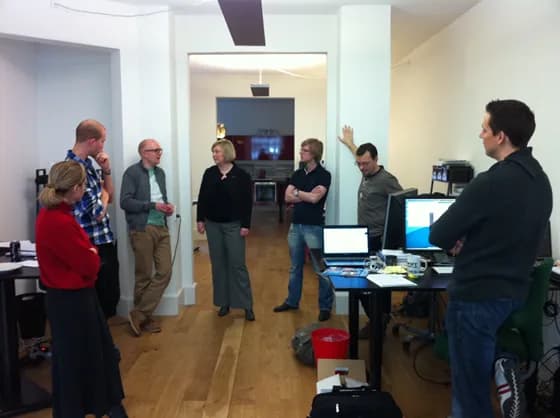
Wikimedia Commons: “Daily sprint meeting” (photograph of a team’s daily Scrum stand-up, CC BY-SA 2.0)wikimedia.org
.