New
Launch Your Career in Space Systems Engineering
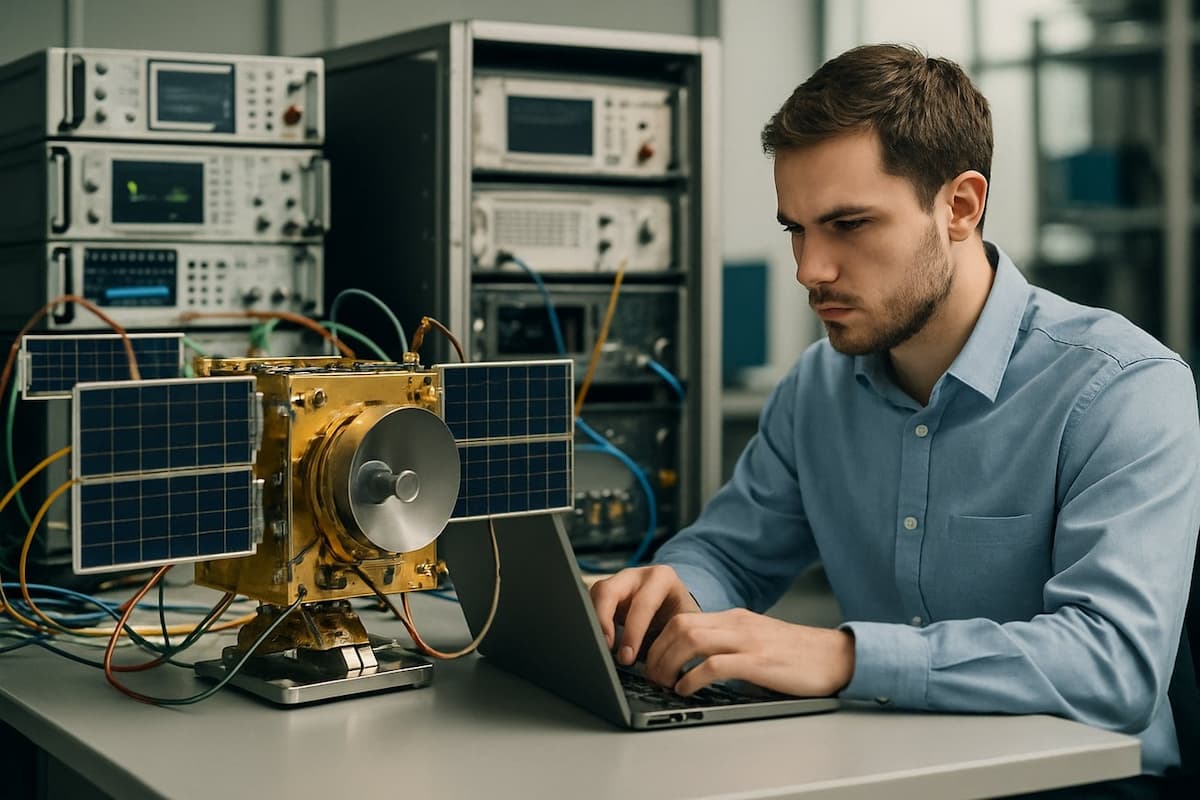
Every spacecraft that reaches orbit was argued into existence through requirements, budgets and trade studies. Our program gives you a structured path into space systems engineering, from a stated mission need through a SysML model, mass and power margins and a verification matrix to a design review package you could actually stand behind.
Global #1 Training & Internship Program
4.8

4.7

4.6

Program Summary
Space systems engineering is the discipline of holding a mission together: deciding what the system must do, splitting that across subsystems that constrain each other, and proving the result before anything is built. This program builds a practical foundation in that work, from writing requirements that can actually be verified, to modelling structure and interfaces in SysML, to sizing the mass, power and link budgets that decide whether a mission closes at all.
Alongside the technical modules, the program includes hands-on labs and a virtual internship. You will write a traceable requirements baseline, build a system model, run budgets and a defensible trade study, and finish with a review package you can show to an employer.
Why Refonte Learning's Space Systems Engineer Course is the Best Fit for You
- Concrete Projects, Real-World Experience
- In-Depth Skill Enhancement
- Seasoned Guidance
- Potential Internship
Program Specifics
Requirement
Engaged in bachelor's or postgraduate studies in Aerospace, Mechanical or Electrical Engineering, Physics, Computer Science, or related fields
Period
3 months
Dedication time
10-12 Hours/Week
Career Result
Space Systems Engineer, Mission Systems Engineer, Spacecraft Systems Engineer, Requirements Engineer
Competencies you'll develop
- Space Mission Lifecycle & Gate Reviews
- Stakeholder Needs & Concept of Operations
- Requirements Engineering, Traceability & Verification
- Model-Based Systems Engineering with SysML
- Spacecraft Subsystems & Their Interactions
- Mass, Power, Link & Data Budgets
- Trade Studies & Architecture Decision Analysis
- Interface Control, Integration & Validation
- Risk Management & Technical Review Artefacts
Expertise Featured
- Space Mission Lifecycle & Gate Reviews
- Stakeholder Needs & Concept of Operations
- Requirements Engineering, Traceability & Verification
- Model-Based Systems Engineering with SysML
- Spacecraft Subsystems & Their Interactions
- Mass, Power, Link & Data Budgets
- Trade Studies & Architecture Decision Analysis
- Interface Control, Integration & Validation
- Risk Management & Technical Review Artefacts
Tools Taught

Educational Mentors

Dr. Emily Carter
Department of Satellite Systems & Operations
Dr. Emily Carter is a mentor in satellite systems and operations at Refonte Learning, where she guides learners across the satellite engineering and observation programs. Her work spans requirements, interfaces and the budgets that decide whether a mission closes, and she helps learners connect systems engineering theory to the realities of defending a design at a gate review.
Your Educational Path
Turn a stated mission need into requirements that decompose, allocate and trace, and that state up front how each one will actually be verified.
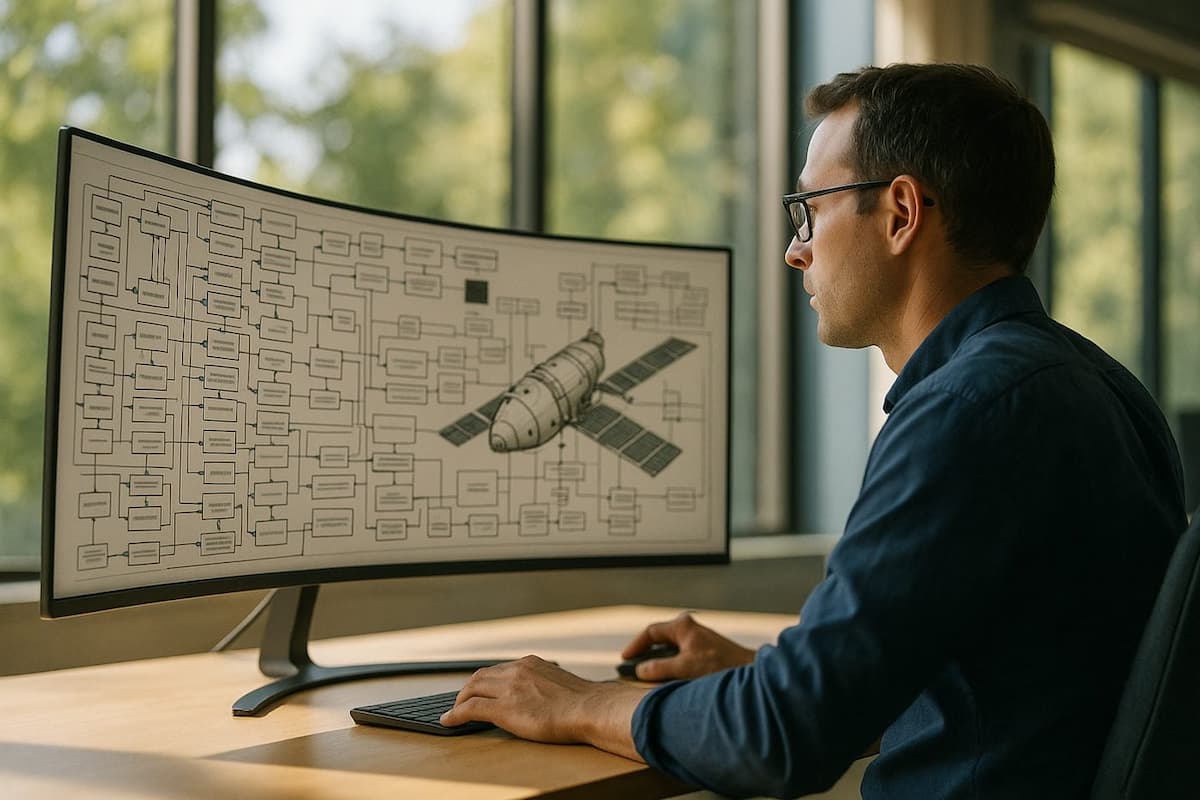
Build a system model covering structure, behaviour and interfaces, so the design lives in something reviewable rather than in a slide deck.
Size mass, power and link budgets with honest margins, defend one architecture decision on the numbers, and assemble the package a gate review expects.
Need clarification about the course? Get in touch with us
Application DETAILS
Enroll today with just three easy steps and dive into our rich learning opportunities to start your educational journey.
Step 1
Sign Up
Step 2
Buy
Step 3
Kickstart your learning
Admission Prerequisites
Obligatory: Working towards a bachelor's or higher-level degree
We delight in recognizing your successes
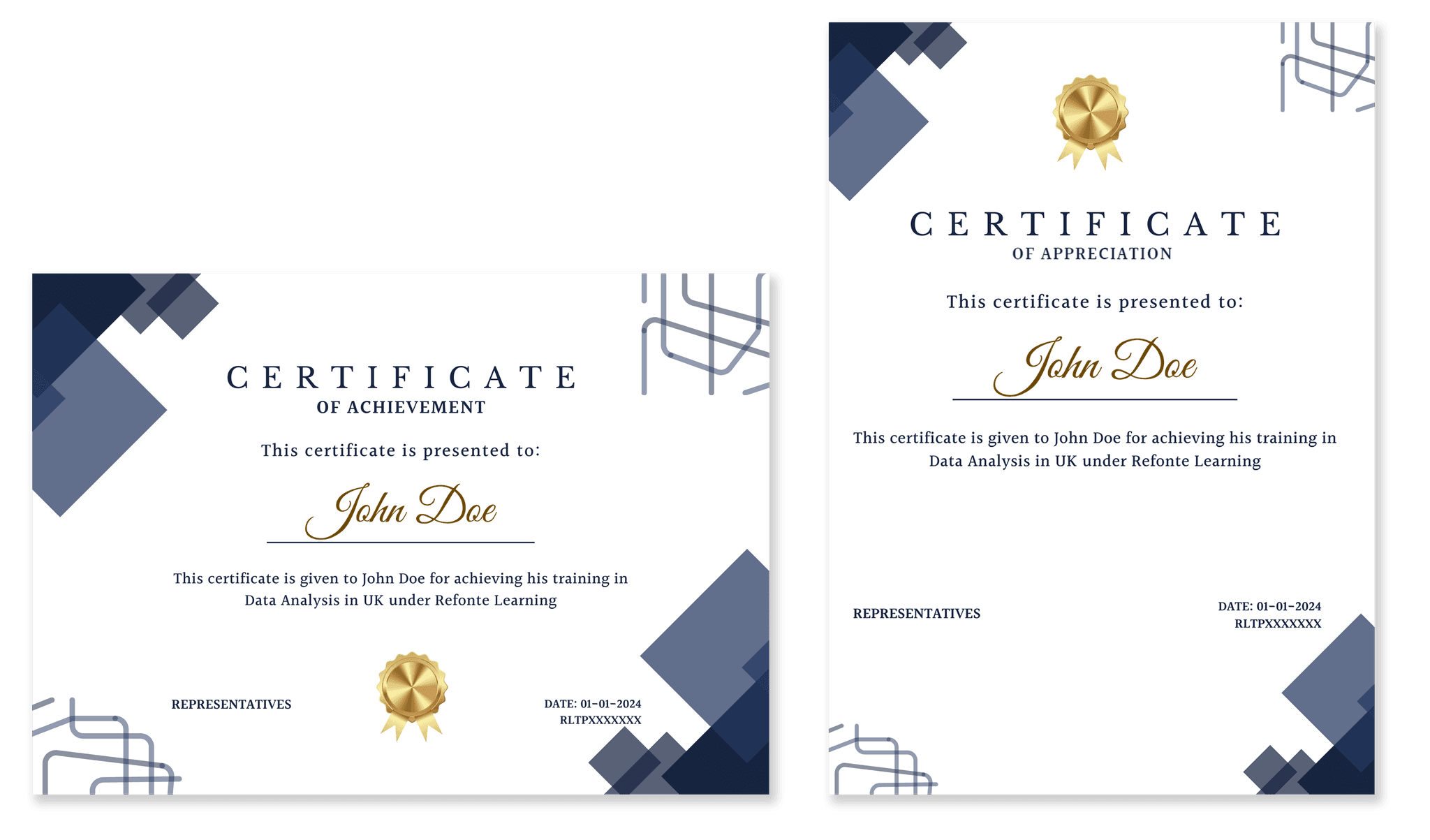
Upon successful completion of the program, Refonte Learning offers two certificates: a Training Certificate and a Certificate of Internship. Students who demonstrate outstanding performance may receive a Letter of Recommendation and a Certificate of Appreciation for their achievements. In addition, top performers will be rewarded with exclusive prizes such as Amazon vouchers, gift hampers, and personalized T-shirts.
Advantages of the Program
- Concrete Projects, Real-World Experience
- In-Depth Skill Enhancement
- Potential Futures

Application Fees
We believe in making our programs accessible to everyone. That's why we offer a variety of financing options, including competitive rates as low as 0% interest and no hidden costs. You can also choose to make a convenient one-time payment.
Equated Monthly Installment payment options
Explore budget-friendly EMI plans with reputable finance firms. Overcome financial obstacles and stay focused on your personal development.
Credit/Debit Card and Paypal
Costs as low as
Installment I: USD 204
Installment II: USD 98
One-Time Payment Options
Experience the ease and flexibility of a single payment, allowing you to start your career journey without any hassle.
Credit/Debit Card and Paypal / Online Banking
Total Enrollment Costs
USD 300
You may also like
Frequently Asked Questions
What career opportunities does this course provide?
Graduates target Space Systems Engineer, Mission Systems Engineer and Requirements Engineer roles at primes, small satellite makers and agencies. Note that many US postings are ITAR-controlled and require US person status, so we teach practice that transfers to non-US programs too.
Do I need an aerospace degree to take this course?
No. Systems engineering recruits from mechanical, electrical, software and physics backgrounds. What matters is that you are comfortable with quantitative reasoning, because you will be sizing budgets and defending numbers throughout.
Is this course suitable for beginners?
It suits learners with some engineering or technical grounding. No space background is required, but you should be able to write basic Python, since the budgets and mission analysis run in Python.
Will I receive a certification upon completion?
Yes, a Refonte Learning certificate of completion for your resume and LinkedIn. It is not INCOSE certification, which requires documented experience.

Can I take this course while working full-time?
Yes. It requires 10-12 hours per week, all live sessions are recorded, and the modelling and analysis environments are available on demand.
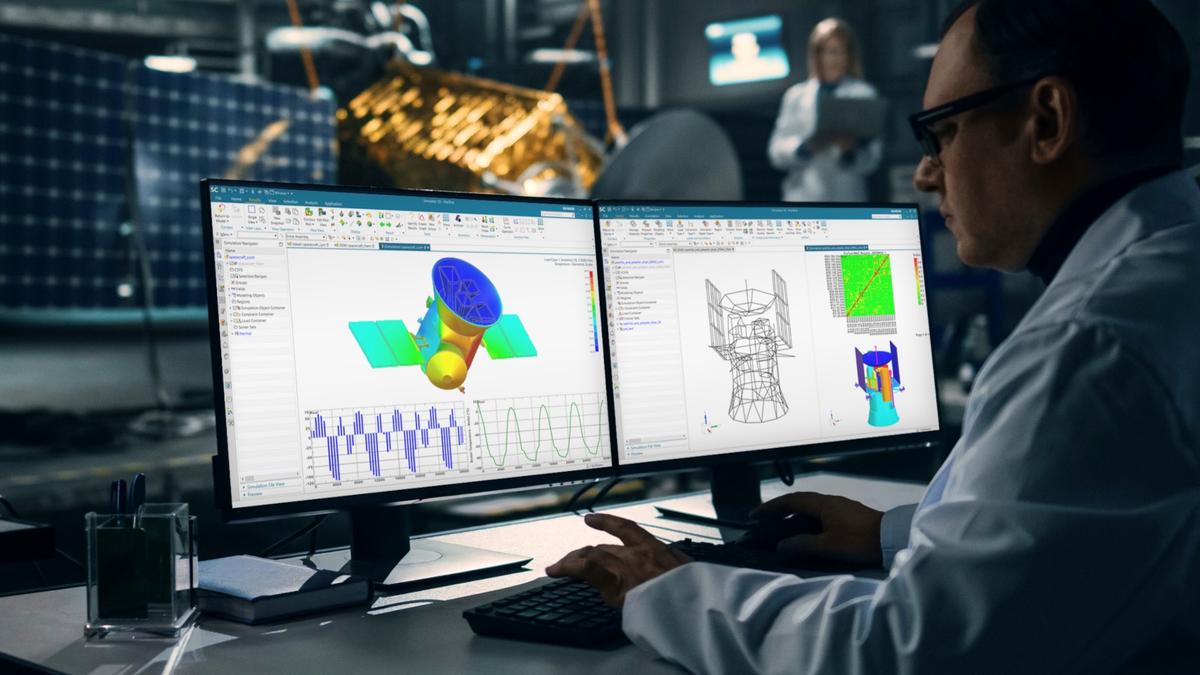

Ready to fulfill your dream of becoming a Professional Space Systems Engineer?
Begin your journey with Refonte International's Training & Internship Program for comprehensive training, valuable certificates, and exciting future opportunities.